96.3 WRocK: Why Manila Still Misses It and How Cebu Kept It Alive
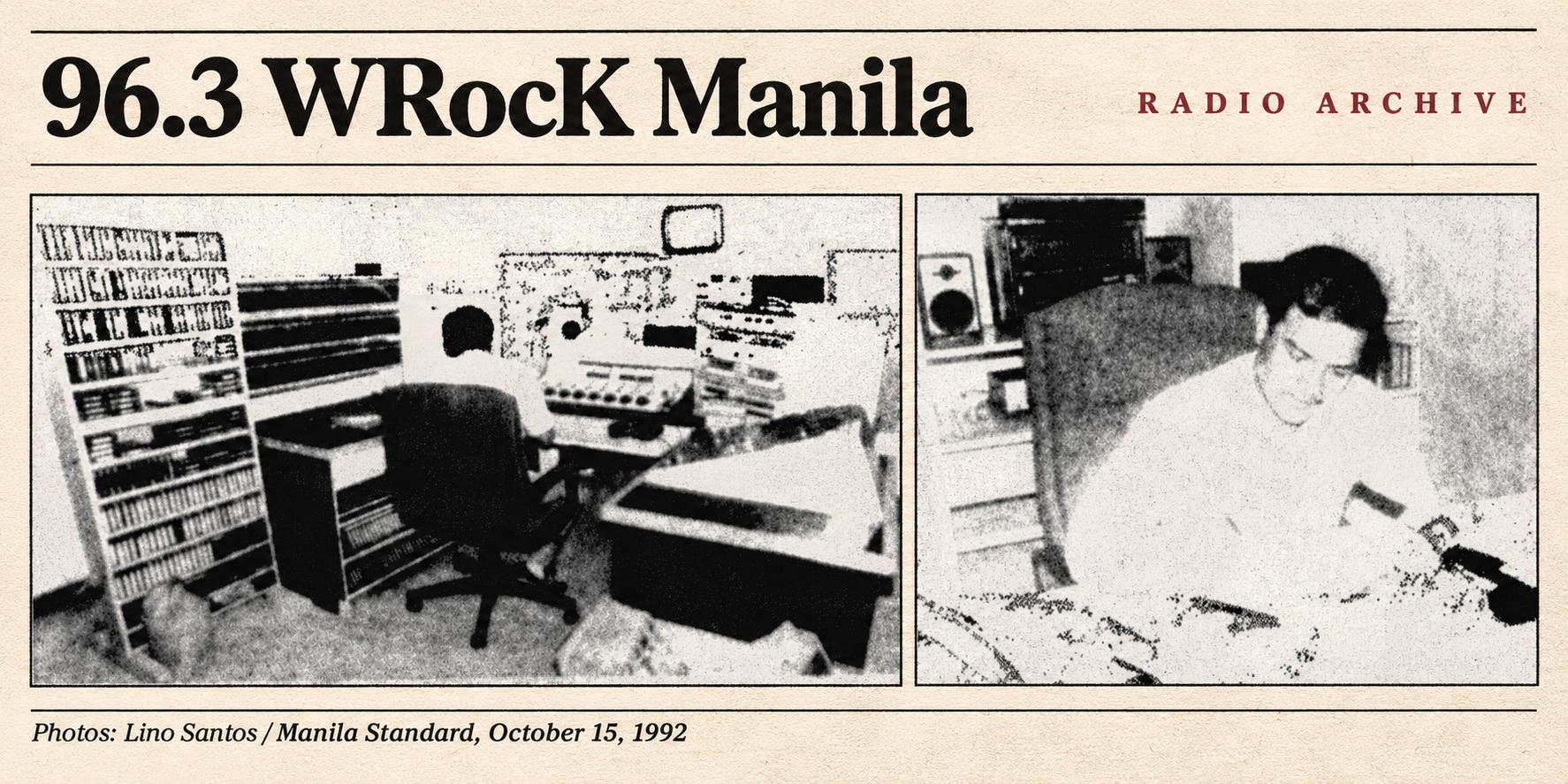
In WRocK’s Manila booth in 1992, shelves of music lined one side, a chair faced the controls, and a clock hung above the desk. As the station marked its fourth anniversary that October, general manager Joseph Hodreal was already looking ahead. He wanted to move the music library from CDs to floppy disks and automate playback. He still counted on the announcers to make the station feel personal.
Sixteen years later, a Manila listener writing a goodbye to WRocK singled out something they would miss: the way the station identified itself at the top of the hour. The frequency was still 96.3, and the Easy Rock name would not arrive until the following May. For that listener, the change was already audible.
Today, 96.3 FM means Easy Rock in Metro Manila and WRocK in Metro Cebu. The two stations share a frequency, but their histories diverged. To understand why Manila still remembers the old WRocK, it helps to go back to how deliberately it built its sound.
How Real Radio became WRocK
The Manila frequency goes back to DWBC-FM in 1972. It became DWRK, branded RK96 Real Radio, in 1980. On October 15, 1988, Real Radio became 96.3 WRocK under ACWS–United Broadcasting Network. Hodreal was the station’s owner and general manager and served as president of United Broadcasting Company.
Real Radio had already been playing slow, soft adult contemporary music. Hodreal wanted a wider selection and a little more rhythm, with room for folk, country and soft rock. Hearing WLite in Washington convinced him that much of its music would appeal to Filipinos. WRocK made the format its own by playing James Taylor, Eric Clapton and the Beatles alongside Gary Valenciano, Martin Nievera and APO Hiking Society.
For program director Cherry Bayle, keeping the programming Filipino was a priority. That showed up in the music, in the way announcers spoke, and in short features between songs. Tayong Mga Pinoy reflected on Filipino character and values. Place We Call Home explored places, events and traditions tied to Filipino heritage, while Paano Kaya? offered advice on everyday dilemmas. Lulu Hodreal, sales director of LH Marketing, led the station’s marketing campaign.
The sound people remember
“Less talk, more lite rock” was a promise about the pace of the station. WRocK trained its announcers to speak in a friendly, conversational way and gave listeners reasons to come back at particular times with shows like Friday Classics, Lite Rock in Love and Three of a Kind. Lite Rock Favorites gave listeners a chance to hear their choices on air, and Lite Rock Favorites of the Week became closely associated with Cherry Bayle and DJ Paul. You tuned in to WRocK to hear how the station put the songs together.
That distinction comes through in a June 2026 discussion about favorite FM stations. A listener brought up the original WRocK, another remembered the jingle, and people pointed each other toward the Cebu station online. An old station ID can bring back the feeling of an office radio left on through the afternoon or a familiar voice on the drive home. That is the part of WRocK that Manila listeners can still miss, even with an easy-listening station on the same preset.
The plan beyond Manila
By October 1992, WRocK was aiming to bring its format to Cebu, Bacolod and Davao by January 1993. Hodreal expected the provincial stations to carry programming offered in Manila while covering local news. Cebu’s DYRK 96.3 dates to 1993, the year Exodus Broadcasting was established. Bacolod and Davao also carried WRocK, and you can still hear the Bacolod station in an April 2004 recording from the Radio Heritage Foundation.
| Market | WRocK outlet | What followed |
|---|---|---|
| Metro Manila | DWRK 96.3 FM | Acquired by the MBC group in 2008 and rebranded as Easy Rock Manila in 2009. |
| Metro Cebu | DYRK 96.3 FM | Stayed with Exodus Broadcasting Company and kept the WRocK name. |
| Bacolod | DYKR 96.7 FM | Dropped WRocK; the frequency later carried XFM Bacolod programming. |
| Davao | DXKR 95.5 FM | Dropped WRocK; the frequency later became Retro 95.5. |
By 2011, Radio Online Now identified Cebu as the remaining WRocK station. Cebu also has 102.7 Easy Rock. In Cebu, the two brands occupy separate frequencies; in Manila, one succeeded the other on 96.3.
What MBC bought in 2008
In October 2008, the Elizalde group’s Manila Broadcasting Company, now MBC Media Group, announced the ₱229.6 million acquisition of Manila’s DWRK 96.3. The Philippine Star, reporting on MBC’s stock exchange disclosure, named ACWS–United Broadcasting Network and Exodus Broadcasting Company on the selling side. MBC said the station would help it reach younger listeners in the A and B market segments who favored light rock.
Easy Rock’s company history identifies Cebu Broadcasting Company as the company through which the Elizalde group made the purchase. The name can be misleading: the acquisition was of DWRK in Manila, while DYRK in Cebu remained with Exodus Broadcasting Company. DWRK moved from FEMS Tower 1 on Osmeña Highway to MBC’s facilities at the CCP Complex in Pasay. On May 18, 2009, it officially became 96.3 Easy Rock. The new station retained a soft adult contemporary format and developed its own lineup. That kept the frequency familiar even as the old routines changed.
The two lives of WRocK Online
After the sale, the old Manila operation took WRocK Online to the web through Hayag. Cherry Bayle and Dylan Thomas continued online, where listeners could make requests and take part in polls. It gave former Manila listeners, including Filipinos overseas, a way to hear those voices again. The Manila online project ended in 2010.
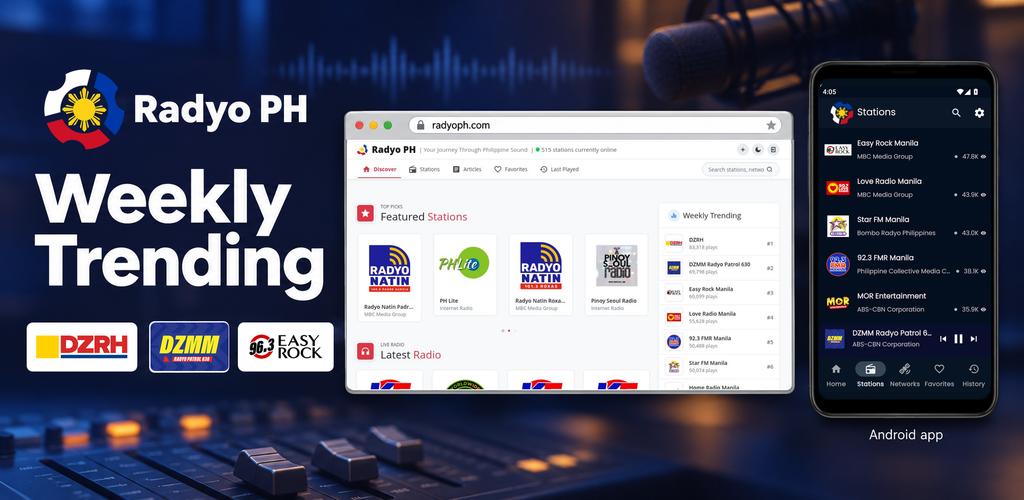
Exodus also uses WRocK Online for the online extension of its Cebu operation. The station’s official website lists shows such as Everyday Lite, Three of a Kind and Friday Classics. On Radyo PH, WRocK Cebu and Easy Rock Manila are separate listings.
Could WRocK return to Manila FM?
Exodus received a broadcast franchise in 1998 under Republic Act No. 8603. A new measure, House Bill No. 6904, proposes a 25-year broadcast franchise for the company. The Senate approved the bill on third reading on September 28, 2026, and House records show that the chamber agreed to the Senate’s amendments on October 12, 2026. As of November 7, 2026, those legislative steps were documented; enactment and a return to Metro Manila FM could not be confirmed. A franchise bill does not assign a frequency, and Manila’s 96.3 is used by Easy Rock.
For now, Cebu is where the WRocK name remains on the FM dial. What Manila listeners remember goes back to those hours spent with 96.3: the familiar voices, the songs they looked forward to, and the feeling that someone had picked the next one for them.



Advertisement


Log in to join the discussion and leave a comment on this article.
Log in to Comment